Concrete can look sound on the surface, while hidden defects develop inside. Independent Non Destructive Testing (NDT), backed by strong Quality Assurance (QA), reveals what is happening within a structure without damaging it, so issues like voids, cracking, reinforcement placement, and early corrosion risk can be identified early. The result is safer assets, stronger compliance, and more confident long term decisions.
Concrete underpins much of New Zealand’s critical infrastructure. From bridges and high rise buildings to industrial plants and marine structures, the long term performance of these assets depends on the quality, durability, and internal condition of the concrete itself. Yet many issues that affect structural integrity cannot be identified through visual inspection alone. This is where independent Non Destructive Testing and strong Quality Assurance practices provide immense value.
Independent NDT allows engineers to examine what is happening with concrete condition without damaging it, while QA ensures that construction and maintenance work meet the required standards. Together, they support safety, compliance, and long term resilience across the entire lifecycle of a structure.
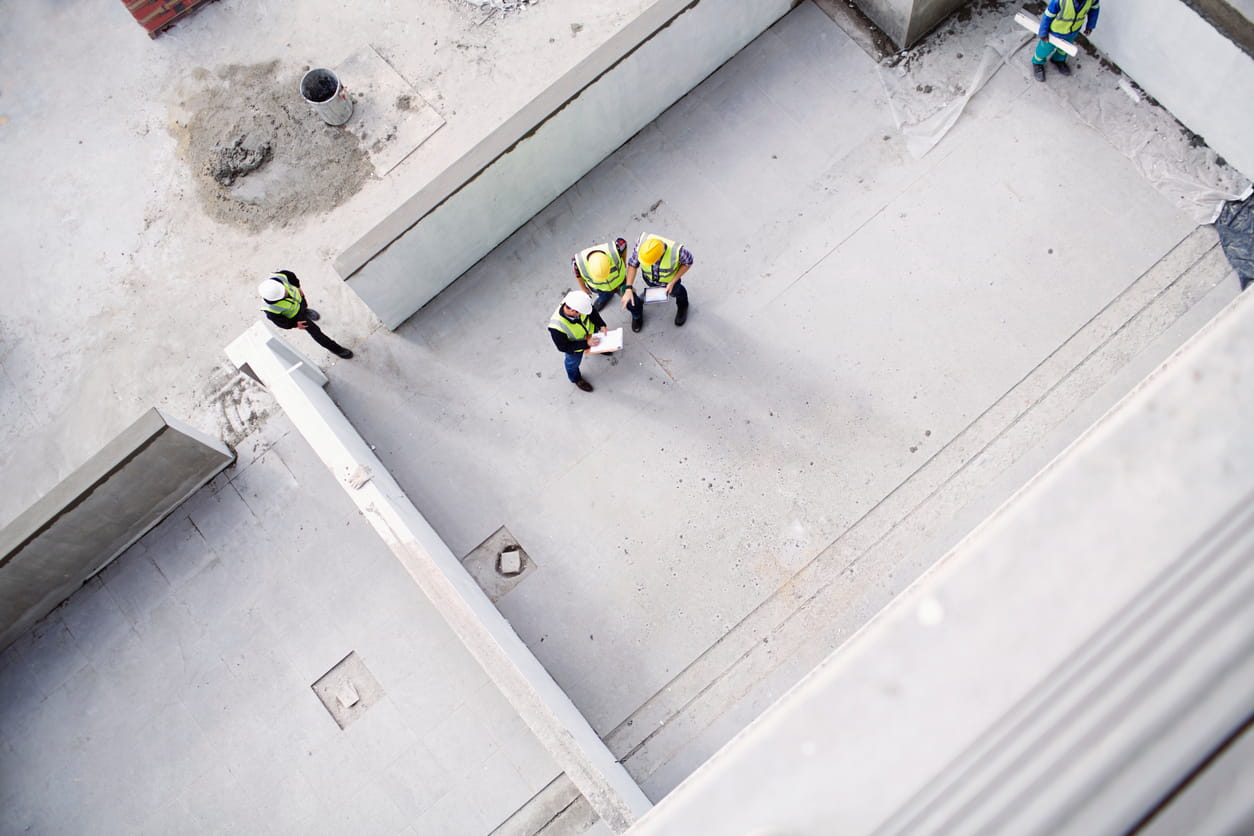
Non Destructive Testing is a collection of specialist methods used to investigate the internal condition of concrete.
Common NDT methods include ground penetrating radar, ultrasonic testing, cover measurement, impact echo testing, and corrosion mapping plus carbonation and chloride ingress. Each method reveals different aspects of a structure such as reinforcement layout, voids, moisture movement, cracking, or early stage corrosion.
The advantage is clear. Engineers get accurate, reliable data without interrupting the operation of the building.
NDT is powerful, but independence is what makes the results truly reliable.
When testing is carried out by an independent specialist, stakeholders can trust that the findings are unbiased and not influenced by construction contractors, commercial pressures, or timelines. Independence protects the integrity of the results and ensures decisions are based purely on technical evidence.
1. Improved Safety Through Early Detection
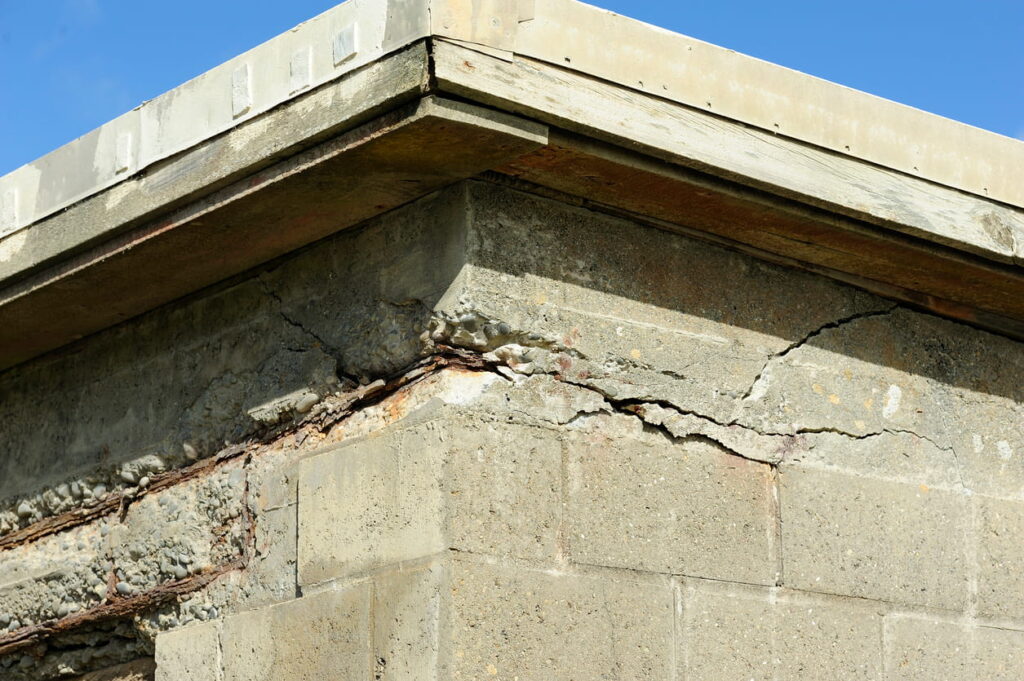
Safety is the most important benefit of independent NDT. Many structural defects form in concrete long before any signs appear at the surface. Honeycombing, voids, misplaced reinforcement, insufficient cover and internal cracking can all compromise structural performance, especially during seismic events.
Independent NDT helps reveal these issues early.
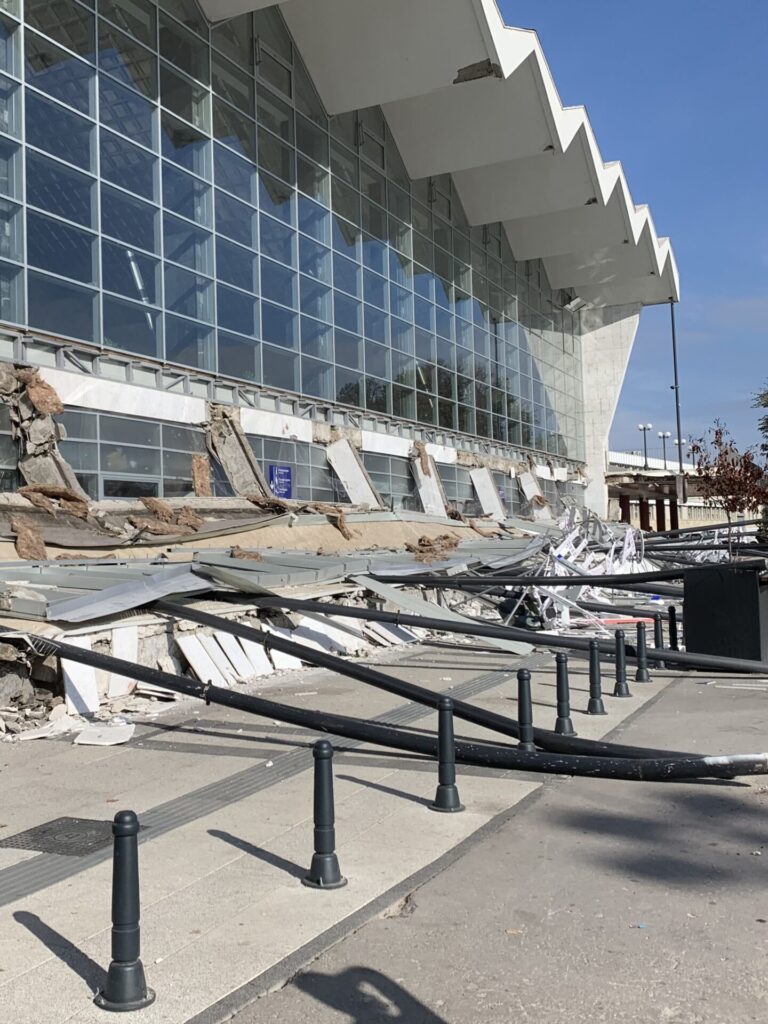
Early detection reduces the likelihood of expensive remediation, operational disruption, or in extreme cases, structural failure. Global failures like the Novi Sad collapse show what can happen when early warning signs are missed or quality processes break down.
2. Better Cost Efficiency Across the Life of the Structure
Well timed NDT saves money. When issues are identified early, repairs are simpler, cheaper, and far less disruptive. Because NDT causes no destruction, there are limited reinstatement costs and no interruption to building operations.
Some of the main cost benefits include:
For councils, industrial operators, commercial developers, and asset managers, these savings accumulate over the life of the asset.
3. Stronger Compliance and Documentation
New Zealand’s building codes and seismic requirements set high expectations for performance and durability. Independent NDT supports these requirements by verifying that the structure meets design specifications and that workmanship aligns with accepted standards.
This helps organisations maintain strong documentation for:
The transparency of independent results is particularly valuable on high risk, high value, or publicly funded projects.
4. Better, More Confident Decision Making
Reliable information is essential for good engineering decisions. Independent NDT provides data that project teams can trust. This supports decisions about seismic strengthening, retrofitting, redevelopment, maintenance, and long term asset planning.
Instead of relying on assumptions or limited visual evidence, asset owners gain a clear understanding of what is happening within the structure. This reduces uncertainty and strengthens the confidence behind every decision made.
5. Suitable for Both New Construction and Existing Structures
One of the major strengths of NDT is its flexibility. It can be applied to early stage construction, recently completed structures, and ageing assets that require long term monitoring.
Independent NDT is commonly used for:
No matter the age or complexity of the structure, NDT provides valuable insight without disruption.
Quality Assurance is the framework that ensures construction and maintenance work is completed correctly. When combined with independent NDT, QA becomes significantly more robust. NDT provides objective evidence that design requirements have been met and workmanship is of acceptable quality.
Instead of relying solely on checklists and visual inspection, QA teams gain access to detailed internal information. This strengthens project governance, reduces risk, and improves long term resilience.
Independence is essential, but so is expertise. An experienced NDT team brings deep knowledge of concrete behaviour and construction methods. Their ability to correctly interpret results is as important as the technology itself.
Independent Non Destructive Testing and strong Quality Assurance processes are now fundamental to maintaining the safety, durability, and performance of concrete structures in New Zealand. These tools allow asset owners, engineers, and project teams to understand concrete conditions, detect risks early, avoid unnecessary costs, and make informed decisions supported by reliable data.
As our infrastructure ages and seismic safety remains paramount, the need for clear, independent insight has never been more important. By integrating independent NDT into QA processes, organisations can ensure their concrete structures remain safe, resilient, and protected well into the future.
We would be keen to hear what NDT solutions you would like for your structural resilience investigations.
If you would like to find out more about the Non-Destructive Testing Services (NDT) that we offer click here!
Click here for a list of our services.
Call Us On 0800 33 77 67 Or Request a Quote Here.