How reliable is non-destructive testing for concrete structures? We break down its strengths, limitations, and real-world use.
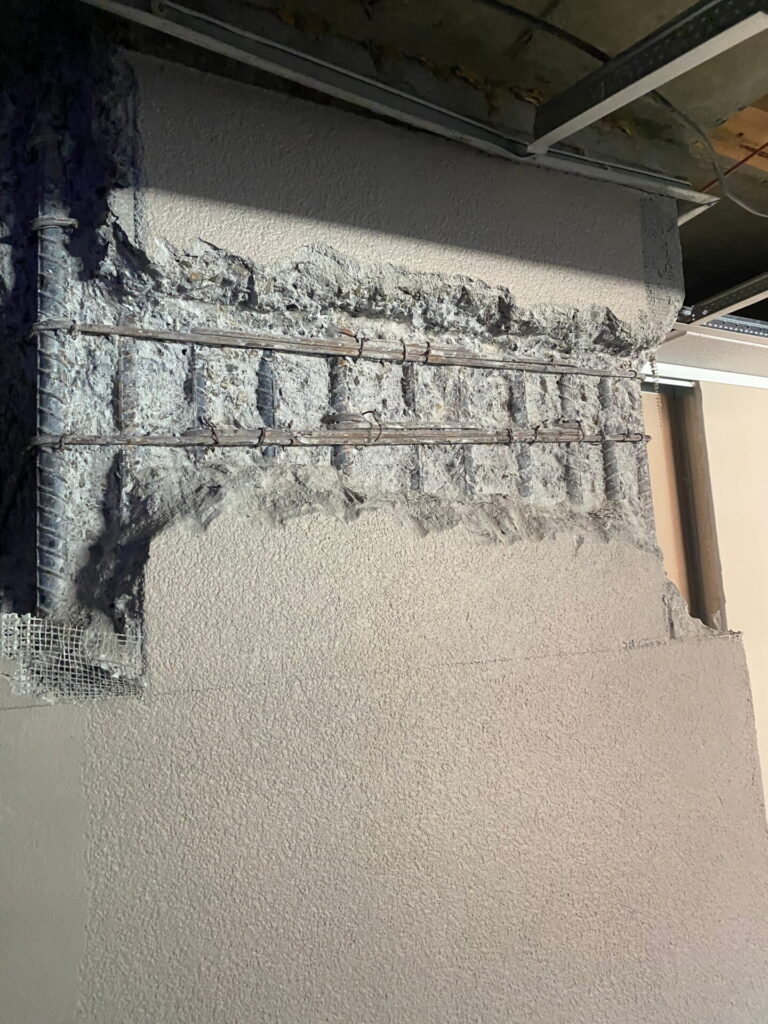
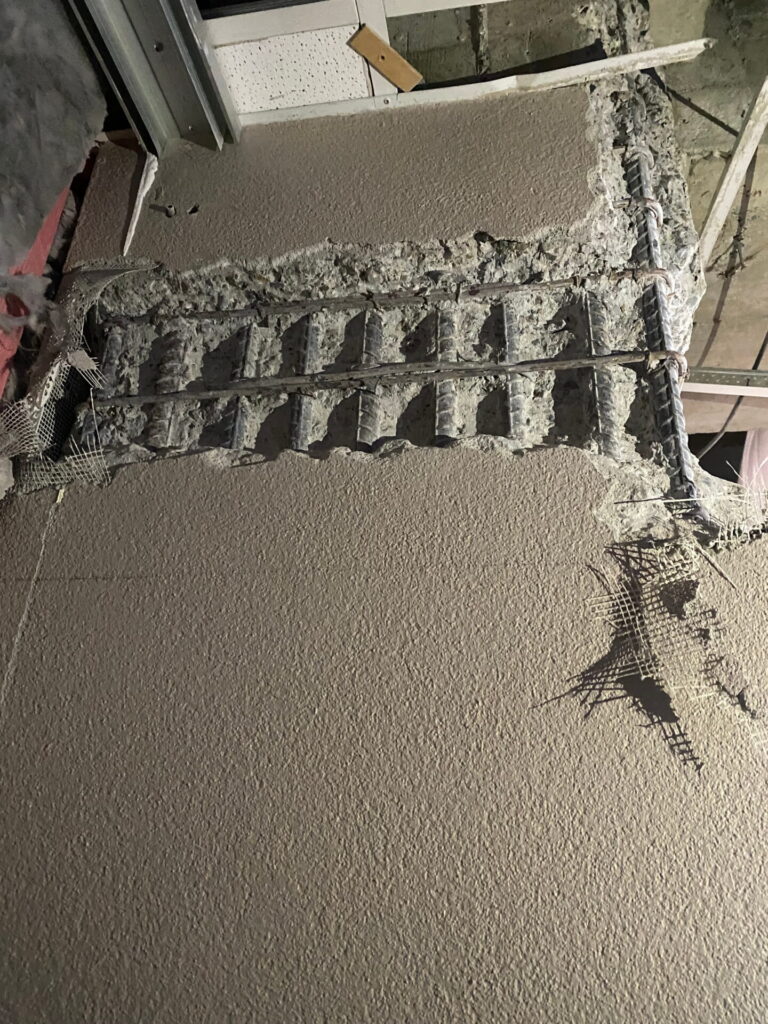
The reliability of non-destructive testing on concrete structures is a debate that’s been simmering in structural engineering for decades, and it’s more nuanced than people often admit. Non-destructive testing (NDT) can be extremely reliable, but only under the right conditions.
Let me unpack the tension a bit.
Why skilled technicians make NDT powerful
When the work is done by people who truly understand the physics behind the tools, NDT can reveal things that traditional inspection methods simply can’t. For example:
A technician who knows how to interpret signals, calibrate equipment, and account for site conditions can extract remarkably accurate insights. In the hands of experts, NDT becomes almost like X-ray vision for concrete.
So why do some engineers still debate its usefulness?
Because the reliability of NDT isn’t just about the tool, it’s about context, interpretation, and limitations. Engineers who are skeptical usually point to issues like:
Variability in concrete
Concrete is heterogeneous. Moisture, aggregates, curing conditions all of these can distort readings. Some engineers don’t trust methods that depend heavily on assumptions about material uniformity.
Operator-dependent results
Two technicians can produce very different interpretations from the same data. That makes some engineers nervous, especially when decisions involve safety or liability.
Misuse or overconfidence
NDT is sometimes marketed as a magic bullet. When inexperienced users rely on it without understanding its limits, the results can be misleading. Engineers who’ve seen bad NDT work tend to generalize from those experiences.
Need for correlation with destructive testing
Many NDT methods require calibration with cores or known material properties. Without that correlation, the results can be ambiguous.
Complexity of interpretation
Some NDT outputs, like radargrams or ultrasonic waveforms, require specialized training. Engineers who don’t work with these tools regularly may distrust results they can’t interpret themselves.
The real truth: NDT is strongest as part of a system
The most effective engineers treat NDT as one piece of a larger diagnostic puzzle. When combined with:
NDT becomes incredibly powerful. It’s when people try to use it in isolation, or without expertise, that its reputation suffers.
We would be keen to hear what NDT solutions you would like for your structural resilience investigations.
If you would like to find out more about the Non-Destructive Testing Services (NDT) that we offer click here!
Click here for a list of our services.
Call Us On 0800 33 77 67 Or Request a Quote Here.