The single step that decides whether your NDT inspection is accurate, safe, and worth the spend.
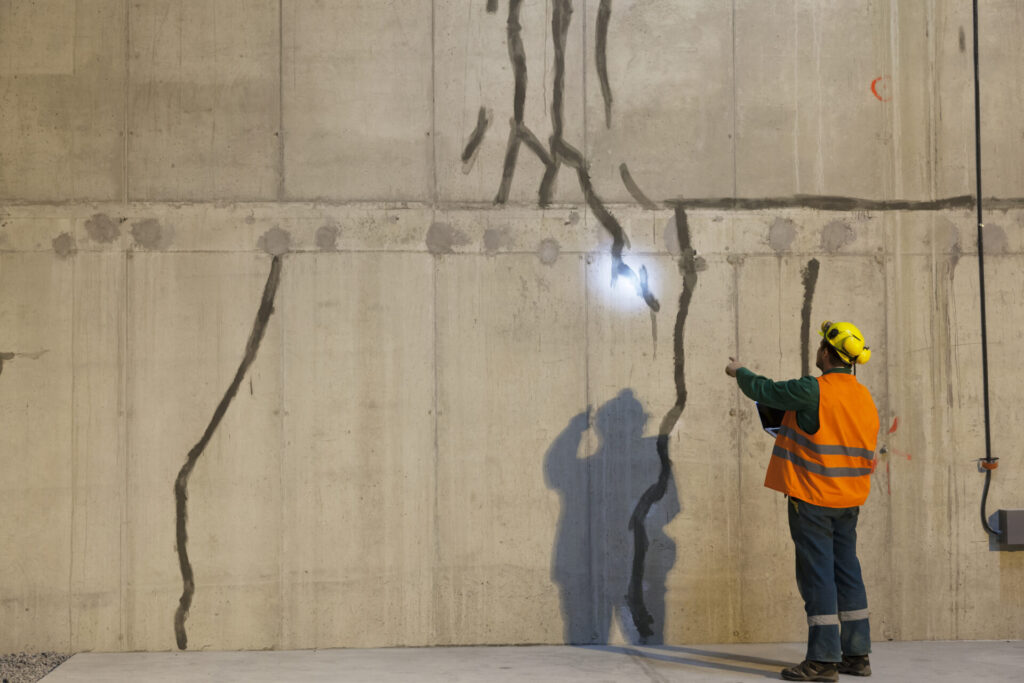
Understanding a structure before applying any non-destructive testing (NDT) method
Understanding a structure before applying any non-destructive testing (NDT) method is essential because it directly determines whether the inspection will be accurate, safe, and meaningful. Here are the most important reasons, grounded in authoritative sources:
1. To Select the Correct NDT Method
Different NDT techniques work best on specific materials, geometries, and defect types. Knowing the structure ensures the chosen method can actually detect the flaws of interest.
NDT methods rely on physical principles (ultrasound, GPR, electromagnetic scanners etc.), and their effectiveness depends on material type and configuration.
2. To Identify Critical Areas and Likely Defect Locations (for Quality Assurance)
Understanding how a structure is designed and loaded helps inspectors focus on high risk zones.
NDT is used to detect defects early to prevent failures, but this requires knowing where defects are most likely to form. Visual inspection is often the first step, but its effectiveness depends heavily on knowing where to look.
3. To Interpret NDT Results Correctly
Without understanding the structure, inspectors may misinterpret signals, reflections, or indications. Techniques like ultrasonic testing rely on analysing echo patterns, which vary with geometry and internal features. Misunderstanding the structure can lead to false positives or missed defects.
4. To Ensure Safe and Effective Testing Conditions
Some NDT methods require specific access, surface conditions, or safety precautions. Complex structures may require special probes, angles, or scanning paths.
5. To Avoid Wasted Time, Cost, and Incorrect Repairs
Using the wrong method or testing the wrong area (this doesn’t apply where the affected area is already identified) leads to inefficiency and unnecessary expense. NDT is valued for being cost effective, but only when applied correctly and in the right locations.
Proper structural understanding ensures inspections prevent failures rather than causing delays or misdiagnoses.
6. To Maintain Structural Safety and Reliability
NDT plays a critical role in preventing catastrophic failures—but only if inspectors understand what they are evaluating. NDT ensures safety in industries where structural integrity is vital (e.g. construction). Regular inspections extend the life of structures, but require knowledge of how the structure behaves and deteriorates.
7. To Comply With Industry Standards and Inspection Procedures
Standards often specify inspection points, methods, and acceptance criteria based on structural design. NDT is widely used in regulated industries, and proper application requires understanding the structure’s engineering context.
We would be keen to hear what NDT solutions you would like for your structural resilience investigations.
If you would like to find out more about the Non-Destructive Testing Services (NDT) that we offer click here!
Click here for a list of our services.
Call Us On 0800 33 77 67 Or Request a Quote Here.